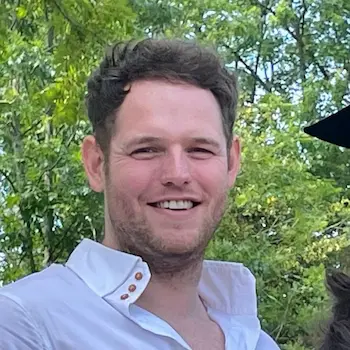
Written by Daniel Higham
Superintendent Pharmacist
Daniel leads Hightown Pharmacy and its online pharmacy service, combining community-pharmacy experience with a focus on clear, responsible medicine information.
Prescription assessment
Complete a short online questionnaire about your symptoms and medical history. A UK prescriber reviews every answer.
Rosacea is a common long-term skin condition that mainly affects the face, causing redness, visible blood vessels, and sometimes small bumps or pimples. It often starts with episodes of flushing (redness that comes and goes) and can worsen over time if not treated.
Rosacea is more common in adults aged 30-60, particularly those with fair skin. Although there's no permanent cure, many treatments can help control symptoms and prevent flare-ups.
The exact cause of rosacea isn't fully understood, but it's thought to involve a combination of genetics, immune system reactions, and environmental triggers. It is not caused by poor hygiene, and it's not contagious.
Common rosacea triggers include:
Symptoms can vary depending on the type and severity of rosacea. Most people experience:
Rosacea is usually diagnosed by a GP or dermatologist based on your skin's appearance and symptom history. No specific test is needed.
It's important to rule out other conditions like acne, eczema, or lupus that can cause similar symptoms. A referral to a skin specialist may be needed in some cases.
There's no cure for rosacea, but treatments can reduce symptoms and prevent flare-ups. Treatment depends on the type and severity of your rosacea.
With the right treatment and trigger avoidance, most people can manage their rosacea and keep flare-ups under control.
Some treatments, such as creams and tablets, may take a few weeks to show improvement. Regular use and good skin care are key to long-term control.
Most treatments are well tolerated, but some may cause mild side effects:
Always follow your doctor or pharmacist's instructions and let them know if side effects persist or worsen.
Superintendent Pharmacist
Daniel leads Hightown Pharmacy and its online pharmacy service, combining community-pharmacy experience with a focus on clear, responsible medicine information.
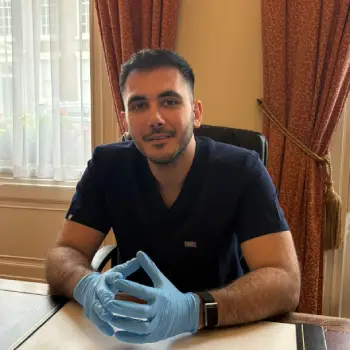
Prescribing Pharmacist
Farzin brings experience from community pharmacy and GP practices, supported by his independent prescribing qualification.