
Written by Daniel Higham
Superintendent Pharmacist
Daniel leads Hightown Pharmacy and its online pharmacy service, combining community-pharmacy experience with a focus on clear, responsible medicine information.
Cold sores are small, fluid-filled blisters that appear around the lips or mouth. They are caused by the herpes simplex virus (usually HSV-1).
Cold sores are very common and usually clear up on their own within 7 to 10 days. However, they can be painful, irritating, and contagious.
The virus stays in your body after the first infection and can become active again, causing recurring outbreaks.
Cold sores are caused by the herpes simplex virus (HSV). Once you are infected, the virus stays in your body and can reactivate at any time.
Common triggers for flare-ups include:
Cold sores usually develop in stages:
The first infection (primary infection) can sometimes cause more severe symptoms like swollen gums, sore throat, fever, or feeling unwell, especially in children.
Cold sores, angular cheilitis, and impetigo can all cause sores or irritation around the mouth - but they have different causes, appearances, and treatments. Here's how to tell them apart:
If you're unsure which condition you have, especially if symptoms are severe or don't improve, speak to a pharmacist or GP for the right diagnosis and treatment.
Yes - cold sores are very contagious, especially when the blisters are open and weeping. The virus can be spread through:
You can spread the virus even when you don't have visible symptoms, but it is most infectious during an active outbreak.
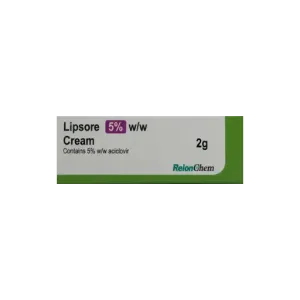
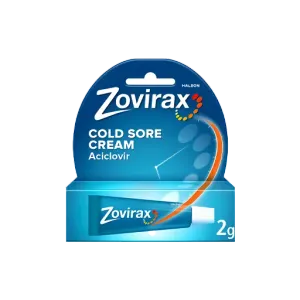
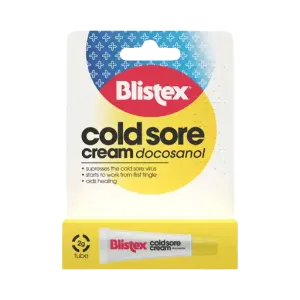
Cold sores usually heal without treatment, but you can speed up healing and reduce symptoms using antiviral products.
Antiviral treatments work best when used early - ideally at the first sign of tingling or burning.
While they don't cure the virus, they can speed up healing by 1 to 2 days and reduce symptom severity.
If you get frequent cold sores, your doctor may prescribe antiviral tablets to take regularly or at the onset of an outbreak.
Most cold sore treatments are safe and well tolerated, but possible side effects include:
Speak to a pharmacist or doctor if symptoms last longer than 10 days, become worse, or if you have frequent outbreaks that affect your quality of life.
Superintendent Pharmacist
Daniel leads Hightown Pharmacy and its online pharmacy service, combining community-pharmacy experience with a focus on clear, responsible medicine information.
Prescribing Pharmacist
Farzin brings experience from community pharmacy and GP practices, supported by his independent prescribing qualification.