What it is
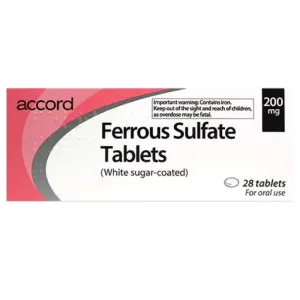
Ferrous Sulphate 200mg Tablets are iron supplements used to treat or prevent iron deficiency anaemia. They contain elemental iron, an essential mineral your body needs to make haemoglobin and myoglobin — proteins that help red blood cells carry oxygen around the body. Without enough iron, your blood cannot transport enough oxygen to your tissues, which can make you feel tired, weak, or short of breath.
Each tablet contains 200mg dried ferrous sulphate, equivalent to 65mg elemental iron. The 200mg tablet strength does not mean 200mg of elemental iron; compare the elemental amount when checking different iron preparations.
Ferrous Sulphate vs Ferrous Sulfate
The terms Ferrous Sulphate and Ferrous Sulfate refer to the same medicine. The difference is simply in spelling "sulphate" is the preferred British English form, while "sulfate" is the American English version. Both describe the same type of iron supplement that helps treat and prevent iron deficiency anaemia by increasing iron levels in the body.
How it works
Iron is vital for forming haemoglobin in red blood cells. Haemoglobin binds to oxygen in the lungs and carries it throughout the body. Myoglobin helps store oxygen in muscles, supporting energy and strength. Taking Ferrous Sulphate increases your body's iron levels, helping restore normal red blood cell production and energy levels.
How to use
Swallow each tablet whole with water. Do not chew, suck or hold it in your mouth because this can cause mouth ulcers or tooth discolouration. Iron is absorbed best on an empty stomach, but taking it after food may help if it upsets your stomach.
Adults and older people: the supplied leaflet gives one tablet two or three times daily for treatment, or one tablet daily for prevention. Follow the regimen recommended by your doctor or pharmacist; they may prescribe a different schedule for your needs.
Children aged 6–11: the leaflet gives one tablet on alternate days for treatment. Ages 12–17: one tablet daily, reduced to alternate days if it is not tolerated. Children need an appropriate diagnosis and a clinician’s dosing instructions. These tablets are not recommended under six.
Avoid taking iron at the same time as tea, coffee, milk or antacids because absorption can be reduced. The leaflet advises keeping tea, milk, eggs and whole grains at least one hour after the tablet or two hours before it. Foods containing vitamin C may help absorption.
Who it's for
Ferrous sulphate tablets are for adults and children aged six and over with iron deficiency or a confirmed need for prevention. Iron deficiency may develop from blood loss, pregnancy, growth, diet or some long-term illnesses. A doctor or pharmacist can help establish the cause, check iron levels and select the appropriate dose.
Warnings & precautions
Do not take these tablets if you are allergic to an ingredient, have iron overload, haemolytic anaemia, an active stomach ulcer, ulcerative colitis or regional enteritis. They are also unsuitable if you receive repeated blood transfusions or intravenous iron, are already taking another iron supplement, or have paroxysmal nocturnal haemoglobinuria.
Speak to your doctor or pharmacist before use if you have had stomach surgery, have a history of ulcers, diabetes, bowel narrowing or diverticular disease, another blood disorder, vitamin B12 or folate deficiency, or difficulty swallowing.
Iron overdose can be dangerous, especially for children. Get medical help immediately after an overdose or if a child may have swallowed tablets accidentally. Take the pack with you; do not wait for symptoms.
If you choke on a tablet, contact a doctor as soon as possible. A tablet entering the airway can damage it; persistent coughing, coughing blood or breathlessness needs urgent assessment, even if it appears later.
Common interactions
Ferrous Sulphate can affect how some other medicines work. It may reduce the absorption of certain antibiotics (like tetracyclines or ciprofloxacin), medicines for Parkinson's disease, and thyroid treatments. The required gap depends on the other medicine; a single three-hour rule does not cover every interaction. Ask your pharmacist to check each combination and follow both medicines’ instructions. If you take multiple medications, check with your pharmacist or doctor first.
Pregnancy & breastfeeding
Pregnancy increases iron needs, and a doctor or midwife may recommend ferrous sulphate to prevent or treat iron-deficiency anaemia. During the first 12 weeks, take these tablets only if your doctor specifically recommends them. Ask a doctor or pharmacist before starting them during the rest of pregnancy or while breastfeeding, and follow the dose they advise.
Possible side effects
Like all medicines, Ferrous Sulphate can cause side effects, although not everyone gets them. Common side effects include:
- Upset stomach or nausea
- Constipation
- Dark-coloured stools
These effects are usually mild and improve as your body adjusts. Drinking plenty of water and eating fibre-rich foods may help relieve constipation. If side effects persist or worsen, speak to your doctor or pharmacist.
Ferrous sulphate tablet ingredients
Active ingredient: dried ferrous sulphate BP 200mg, equivalent to 65mg ferrous iron.
Other ingredients: spray-dried liquid glucose, stearic acid, magnesium stearate, microcrystalline cellulose (101, E460), lactose granules containing lactose, maize starch, pregelatinised maize starch, purified talc (E553), acacia (E414), gelatin, sucrose, titanium dioxide (E171) and yellow carnauba wax.
These tablets contain glucose, sucrose and lactose. Check with a doctor before use if you have been told you cannot tolerate some sugars.
How to store
Store Ferrous Sulphate Tablets at room temperature, below 25°C, in a cool, dry place away from direct sunlight. Keep them in their original packaging and out of the sight and reach of children. Do not use after the expiry date printed on the pack.
Frequently Asked Questions (FAQ)
Can I take Ferrous Sulphate during pregnancy?
A doctor or midwife may recommend it when you need extra iron. During the first 12 weeks of pregnancy, take these tablets only if your doctor specifically recommends them. Check the dose with your healthcare professional.
How should I take Ferrous Sulphate Tablets?
Swallow the tablets whole with water, preferably on an empty stomach. Avoid taking them with tea, coffee, milk, or antacids, which can reduce iron absorption.
How long will it take to feel better?
Most people start to feel less tired within a few weeks, but it can take a few months to fully restore iron levels. Continue taking the tablets as prescribed, even if you start to feel better.
Sources and further information
- Ferrous sulphate 200mg tablets patient leaflet
- For additional professional information about another ferrous sulphate preparation, see the Summary of Product Characteristics (SPC)
- NHS page on Ferrous Sulphate
- NHS overview of iron deficiency anaemia